



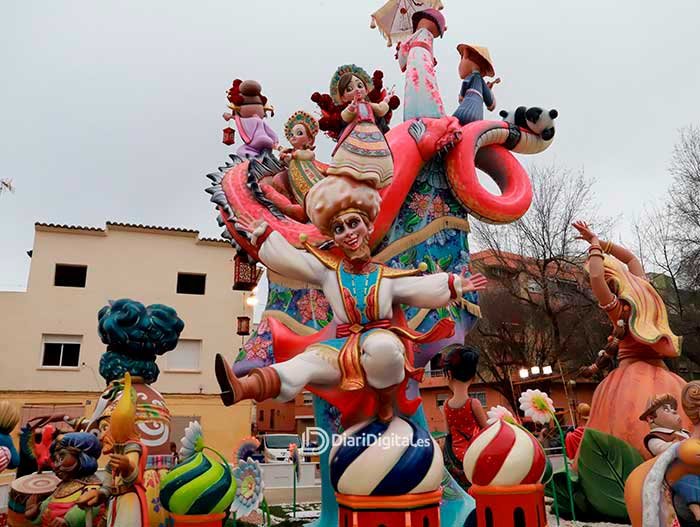

Explore how Fallas traditions in Xàtiva have changed over the last century, reflecting cultural shifts, local identity, and modern influences.
A Deep Look at How Fallas Traditions Have Evolved in Xàtiva Over the Last Century
Fallas in Xàtiva have long been more than a spectacle. They are a ritual of community identity, a display of local craftsmanship, and a living archive of social values. Over the last hundred years, the festival has absorbed political shifts, economic cycles, and artistic trends while retaining its essential function as a moment when the town reflects on itself through satire and celebration.

Tracing this evolution offers a window into how a municipal tradition adapts without losing continuity. The changes are visible in the materials used, the themes chosen by artists, the ways residents participate, and the growing role of tourism and media. Each decade leaves traces on the festival that together map a century of local history.
Early 20th Century Roots and Civic Rituals
At the start of the twentieth century, Xàtiva’s Fallas were rooted in local guild practices and neighborhood rituals. Wood and papier mâché were common materials, and the monuments often reflected immediate social concerns and local jokes. The festival was intimate, organized around parish and neighborhood committees that managed construction, funding, and nightly gatherings.
Participation was hands-on. Families and neighbors contributed labor, skills, and small donations. The satirical elements targeted local officials and national politics alike, but they were balanced with devotional processions and communal meals. The festival served as a way to renew social ties and mark the agricultural calendar more than to attract outsiders.
Postwar Changes and the Rise of Professional Workshops
After the disruptions of the Spanish Civil War, Fallas in Xàtiva entered a phase of reconstruction and redefinition. Economic hardship initially limited scale, but the 1950s and 1960s brought industrial growth and the emergence of professional falla workshops. Artisans who once worked in small neighborhood teams began forming studios capable of producing larger and more detailed monument pieces.
This professionalization reshaped aesthetics and ambition. Neoclassical and surreal influences appeared alongside traditional satire, allowing for more complex narratives and technical experimentation. As everyday life modernized and leisure options expanded, from cinema to responsible gaming casino entertainment, Fallas also evolved, reflecting a growing desire for cultural recognition beyond municipal borders.
Artistic Innovation and Thematic Evolution
By the late twentieth century, thematic ambition grew. Fallas committees began commissioning artists known for bold visual statements and conceptual depth. Themes expanded from local lampoons to global concerns, including environmental degradation, migration, and cultural identity.
The shift did not erase humor. Satire remained central, but the tone diversified. Some monuments used irony to critique consumer culture, while others adopted elegiac or poetic registers to mourn social losses. This pluralism broadened the festival’s appeal and encouraged dialogue about contemporary life.
Community Participation Versus Spectatorship
As the festival attracted more visitors, organizers confronted a tension between participatory ritual and tourist spectacle. Where once most residents built, guarded, and burned the monuments, increasing numbers of visitors turned Fallas into a public performance to be observed rather than joined.
Xàtiva responded through programming that preserved neighborhood workdays, hands-on workshops for youth, and invitationals for community volunteers. Maintaining active local participation became a deliberate goal to ensure that Fallas remained rooted in communal practice rather than becoming solely a consumable event.
Technology, Media, and New Forms of Engagement
The arrival of television and later social media transformed how Fallas were experienced. Live broadcasts, photo essays, and online discussions expanded the festival’s reach beyond town limits. Digital platforms allowed artists and committees to share progress, build anticipation, and collect donations.
These platforms also altered interactions. Instant feedback encouraged riskier artistic choices and more polished presentation, while archives of past Fallas made history visible and subject to reinterpretation. Media exposure strengthened external recognition but also demanded higher production values.
Sustainability and Material Choices
Environmental concerns have altered material choices and logistics in recent decades. Traditional combustible materials now face scrutiny for their environmental footprint. Xàtiva’s committees increasingly experiment with lighter, recyclable materials and more efficient burn protocols to reduce smoke and waste.
Sustainability also affects planning. Smaller, multiple neighborhood monuments spread ecological load and maintain the ritual of burning while limiting the concentration of emissions. These adjustments reflect wider civic priorities without abandoning the ceremonial heart of the festival.
Funding Models and Economic Implications
The economics of Fallas have shifted substantially. Early funding came from small neighborhood collections and local sponsors. Over time, municipal grants, private sponsorships, and cultural grants expanded available budgets, enabling more ambitious commissions and logistics.
This financial expansion raises questions about commercial influence. Balancing sponsor visibility with artistic freedom has become a recurring negotiation. At the same time, the festival generates local income through hospitality and retail, reinforcing its role in the town’s economy and in civic pride.
Education, Youth, and Skill Transmission
A vital element of continuity has been the apprenticeship model. Workshops and veterans teach young people carpentry, painting, and sculptural techniques, ensuring that skills are passed to new generations. Schools and youth groups now play formal roles in transmission, using Fallas as a hands-on learning context.
Youth involvement also shapes themes and formats. Younger participants bring different concerns and tastes, from global culture to digital aesthetics. Encouraging their leadership while mentoring craft skills ensures both innovation and respect for tradition.
Ritual, Memory, and Public Space
Fallas remain an expression of communal memory. The annual cycle of construction, display, and burning structures publicizes collective anxieties and aspirations. The bonfire at the end of the festival functions as both catharsis and renewal, a moment when critique turns into ash and the community prepares for the coming year.
Public space in Xàtiva becomes a theater for these ritual acts. Streets, plazas, and town squares are stages where memory and identity are negotiated. This spatial dimension keeps Fallas intimately connected to urban life.
Contemporary Challenges and Future Directions
Looking forward, Xàtiva faces choices about scale, inclusion, and cultural stewardship. How to welcome tourism while retaining local agency, how to fund ambitious art without compromising independence, and how to integrate sustainability without losing spectacle are central questions.
There is also an opportunity to deepen intercultural exchange. As the town’s population diversifies, Fallas can become a platform for broader dialogue about belonging and identity. Adapting ceremonies and narratives to reflect changing demographics will help the festival remain vital.
Conclusion
Over the last century, Fallas in Xàtiva have evolved from neighborhood woodwork and local satire into an artistic, social, and economic institution that still preserves communal meaning. Changes in materials, professionalization, media use, and sustainability reflect broader societal shifts while the festival’s ritual core endures.
The resilience of Fallas lies in this balance: a capacity to innovate while honoring the participatory practices that give the festival its soul. Xàtiva’s example shows how a local tradition can adapt to modern pressures and remain a living expression of community identity.